Best Credit Card for International Transactions (2026)
7 November 2026
I've been using credit cards for two decades, and for the last eight years I haven't paid a single rupee in forex markup, lounge access fees, or hidden service charges on my international spends. That experience is exactly why I can tell you which cards are actually worth carrying abroad and which ones just look good in an advertisement. If you're hunting for the best credit card for international transactions, you're in the right place.
Quick Answer: Best Cards for International Transactions
If you're in a hurry, here's my ranked list. The forex markup is the extra percentage your bank charges on every foreign currency transaction—most cards charge 3.5%, so zero or 1% saves you real money.
| Rank | Card | Best For | Annual Fee |
|---|---|---|---|
| 1 | IDFC FIRST Mayura Credit Card | Zero forex + lounge access | ₹5,999 |
| 2 | YES BANK Marquee Credit Card | Unlimited lounge + 1% forex | ₹4,999 (waived on ₹10L spend) |
| 3 | Axis Atlas Credit Card | Airline miles + transfer partners | ₹5,000 |
| 4 | HDFC Diners Club Black Metal Edition | Unlimited lounge + hotel perks | ₹10,000 (waived on ₹8L spend) |
| 5 | BOBCARD Scapia Credit Card | Free + zero forex | ₹0 |
| 6 | IDFC FIRST WOW! Black Credit Card | FD-backed zero forex for students | ₹750 |
| 7 | RBL Bank World Safari Credit Card | Zero forex + lounge at low fee | ₹3,000 |
| 8 | HSBC TravelOne Credit Card | Travel portal discounts | ₹4,999 (waived on ₹8L spend) |
| 9 | IndusInd Avios Visa Infinite Credit Card | Avios for oneworld loyalists | ₹5,000 (joining ₹10,000) |
| 10 | AU Zenith+ Credit Card | Elevated rewards on intl spends | Check with AU Bank |
One-liners: Mayura is the best all-round zero-forex card if you can get it. Marquee is my pick for heavy spenders who live in lounges. Atlas is for miles nerds. Diners Black Metal is for HDFC loyalists who want a metal monster. Scapia and WOW! Black are the only true zero-forex freebies. World Safari is the cheapest semi-premium zero-forex option. TravelOne is for aggregator bookings. Avios is a niche pick for oneworld flyers. AU Zenith+ is a dark horse—verify before applying.
What Actually Matters in an International Transactions Card
When you swipe your card abroad or buy something in a foreign currency online, your bank charges a fee on top of the exchange rate. That's the forex markup. Most Indian credit cards charge 3.5% + GST, which adds ₹350 to a ₹10,000 purchase. Zero-forex cards skip that fee entirely, and low-forex cards charge 1-2%.
But there's more to it. You also need to consider international acceptance. Visa and Mastercard work almost everywhere. Diners Club and American Express can be a headache in smaller shops or certain countries, so I always carry a Visa backup. Finally, think about what you actually do abroad: book flights and hotels, eat at restaurants, withdraw cash from ATMs? Different cards reward different behaviours.

I've also learned that the best card for you depends on how often you travel and how much you spend. A student making one trip a year has no business paying ₹10,000 in annual fees, and a frequent flyer shouldn't settle for a card that skimps on lounge access. Let's break it down.
Top Picks for International Transactions (2026)
1. IDFC FIRST Mayura Credit Card
The IDFC FIRST Mayura Credit Card is the card I recommend to anyone who travels internationally at least twice a year. It has a zero forex markup, which is almost unheard of at its ₹5,999 annual fee. You also get up to 16 international lounge visits per year, 10X rewards on eligible spends, and travel booking cancellation cover—that's a real insurance-like benefit many people overlook.
This card suits salaried professionals and frequent travellers who want to save on forex fees without paying a premium card fee. The catch? It has a high income requirement (I'd estimate ₹1.5 lakh+ per month) and a CIBIL score of 800+ to get approved. The lounge access conditions have also changed before, so check the current terms on IDFC FIRST's website before you apply. If you're eligible, though, this is my top overall pick.
You can also read my guide on the best international credit card for travel for broader options.
2. YES BANK Marquee Credit Card
The YES BANK Marquee Credit Card is a premium beast with a very sane forex markup of just 1%. That's less than half of what most premium cards charge. But the real headline is unlimited international lounge visits for primary and add-on cardholders, plus eight free guest visits. You also earn 36 reward points per ₹200 online, which can be redeemed for travel.
I'd recommend this to high spenders who want a luxury travel experience without the private banking nonsense that comes with cards like Infinia. The annual fee is ₹4,999, but it's waived on ₹10 lakh annual spend—which heavy users hit quickly. Just keep in mind that welcome benefits change frequently, so verify the current offer. If you spend ₹8-10 lakhs a year abroad, this card pays for itself.
3. Axis Atlas Credit Card
For miles enthusiasts, the Axis Atlas Credit Card is a strong contender. It earns EDGE Miles that transfer 1:2 to partner airlines and hotels—effectively up to 10% value-back on travel spends. Forex markup is 2%, which is lower than the standard 3.5% but not zero. You also get up to 12 international lounge visits and milestone bonuses.
This is a card for people who understand airline alliances and are willing to put in the effort to redeem miles for premium cabins. The ₹5,000 annual fee is reasonable, but lounge visits may have spend conditions, so check Axis's current terms. If you want to earn miles without being tied to one airline, Atlas is my pick. For more miles-focused options, see my best credit card for international travel from India.
4. HDFC Bank Diners Club Black Metal Edition Credit Card
HDFC's metal contender, the Diners Club Black Metal Edition, is a genuine super-premium card. You get unlimited international lounge access, a 2% forex markup, and 10,000 bonus points every quarter if you spend ₹4 lakh. Points convert 1:1 to air miles, and you'll get hotel memberships thrown in.
But here's the honest drawback: Diners Club acceptance is still spotty in some international locations, especially in Europe. I always carry a Visa backup when I use this card abroad. The ₹10,000 annual fee is waived on ₹8 lakh spend, so it's best for HDFC loyalists who spend big and want a metal card with serious perks. If lounge access is your thing, also see my guide to the best credit card for international lounge access.
5. BOBCARD Scapia Credit Card
If you want a zero-forex card that costs nothing to keep, the BOBCARD Scapia Credit Card is a no-brainer. It has zero annual fees and zero forex markup. You earn 20% rewards on travel bookings through the Scapia app, but the real value is simply never paying a forex fee on any foreign transaction, anywhere.
This is the card I recommend to occasional travellers, digital nomads who pay for subscriptions in USD, or anyone who just wants a free backup card. The downside? Rewards are tied to the Scapia app, so you won't earn much on everyday spending. But for a free card, that's a trade-off I'll happily make. If you're a student or new to credit, pair this with my 10 picks for international travel.
6. IDFC FIRST WOW! Black Credit Card
This is the best option for students and first-time credit users who need a zero-forex markup card. The IDFC FIRST WOW! Black Credit Card is FD-backed, meaning you deposit money with the bank and get a credit limit against it. That makes approval easy even with no credit history. Annual fee is ₹750—low, though not zero—and forex markup is 0%.
You also earn bonus rewards on travel bookings via the IDFC FIRST app. The main drawback is that it's FD-backed, so your credit limit depends on your deposit. But for a student studying abroad or someone making small foreign purchases, it's a perfect starter card. For more FD-backed options, see my guide to FD-backed credit cards.
7. RBL Bank World Safari Credit Card
The RBL Bank World Safari Credit Card is the cheapest semi-premium card with zero forex markup. At ₹3,000 annual fee, you get 0% forex, 5 reward points per ₹100 on travel, and some lounge access. It's a balanced pick for someone who travels a few times a year and wants currency savings without paying a premium fee.
The drawback is that lounge access terms and counts have changed before, so verify current benefits on RBL's website. But if you want a straightforward zero-forex card under ₹6,000, this is a great alternative to the Mayura.
8. HSBC TravelOne Credit Card
If you book through travel portals like MakeMyTrip or Booking.com, the HSBC TravelOne Credit Card offers up to 12% savings on travel bookings via the HSBC Rewards Marketplace. Forex markup is 3%, which is typical but not low. You also get lounge access and 4 reward points per ₹100 on flights and travel aggregators.
This is a card for organised travellers who plan through aggregators and want discounts. The ₹4,999 annual fee is waived on ₹8 lakh spend. Just don't expect zero forex; this is about booking savings, not forex avoidance.
9. IndusInd Bank Avios Visa Infinite Credit Card
The IndusInd Avios Visa Infinite Credit Card is a niche pick for travellers loyal to oneworld airlines like Qatar Airways or British Airways. You earn 3 Avios per ₹200 on regular spends and 5 Avios per ₹200 on airline bookings. There's also a 1.5% forex markup on a self-selected 'preferred' international destination, which is a unique feature.
But I have to be honest: I've seen a real user report a USD 35 Priority Pass lounge fee despite the 'complimentary' marketing. So verify the lounge benefit before you count on it. Also, the standard forex markup outside your preferred destination is likely 3.5%, which is not great. This card is only for Avios collectors. For other reward-focused options, see my list of best reward point cards.
10. AU Zenith+ Credit Card
The AU Zenith+ is a dark horse from AU Small Finance Bank. It offers 2X reward points on travel, dining, and international spends, plus 16 complimentary lounge visits annually. That's a solid list of benefits. But here's the thing: I don't have reliable fee and forex markup details, and it's not in our card catalog. So treat this as a card to investigate, not a straight recommendation. Check AU Bank's website for current terms.
Best Free Cards for Zero Forex Markup
If you want a card purely to save on forex fees without paying an annual fee, you have two genuine options: the BOBCARD Scapia and the IDFC FIRST WOW! Black (though WOW! has a small ₹750 fee). The Scapia is completely free—no joining or annual fees, and 0% forex markup. It's ideal for occasional international spenders, online shoppers who pay in USD, or anyone who wants a backup card.
The WOW! Black is FD-backed, so it's perfect for students or new-to-credit users. The trade-off is that your credit limit depends on your deposit. Also, rewards are limited to specific apps or categories, so don't expect big cashback on everything. But if your goal is simply to avoid paying 3.5% forex markup, these cards do the job beautifully.
If you're new to credit or specifically a student, take the 2-minute quiz to find a card that fits your profile. It will filter options based on your income and spending habits.
Premium Cards for Unlimited Lounge and Low Fees
For heavy travellers, premium cards with low forex markup and unlimited lounge access are worth the annual fee if you actually use the benefits. The YES BANK Marquee charges only 1% forex and gives unlimited international lounges for you and your add-on cardholder, plus guest visits. The HDFC Diners Black Metal gives unlimited lounges too, but watch Diners Club acceptance. The Axis Atlas is a different beast: it focuses on miles transferable to airlines and hotels, with a 2% forex markup and up to 12 lounge visits.
When does a premium card pay off? If you spend ₹5-10 lakhs abroad annually and visit lounges at least 10 times a year, the fee savings on forex markup alone can cover the annual fee. For example, a 3.5% markup on ₹5 lakh of foreign spends is ₹17,500. A 0% markup card like Mayura saves you that entire amount, minus its ₹5,999 fee. That's a no-brainer if you travel frequently.

Not everyone needs a premium card, but if you're even a moderate traveller, check the comparison tool to see international credit cards side by side. It will show you which cards offer the best combination of fees and perks for your spend level.
How to Avoid Hidden Fees Abroad
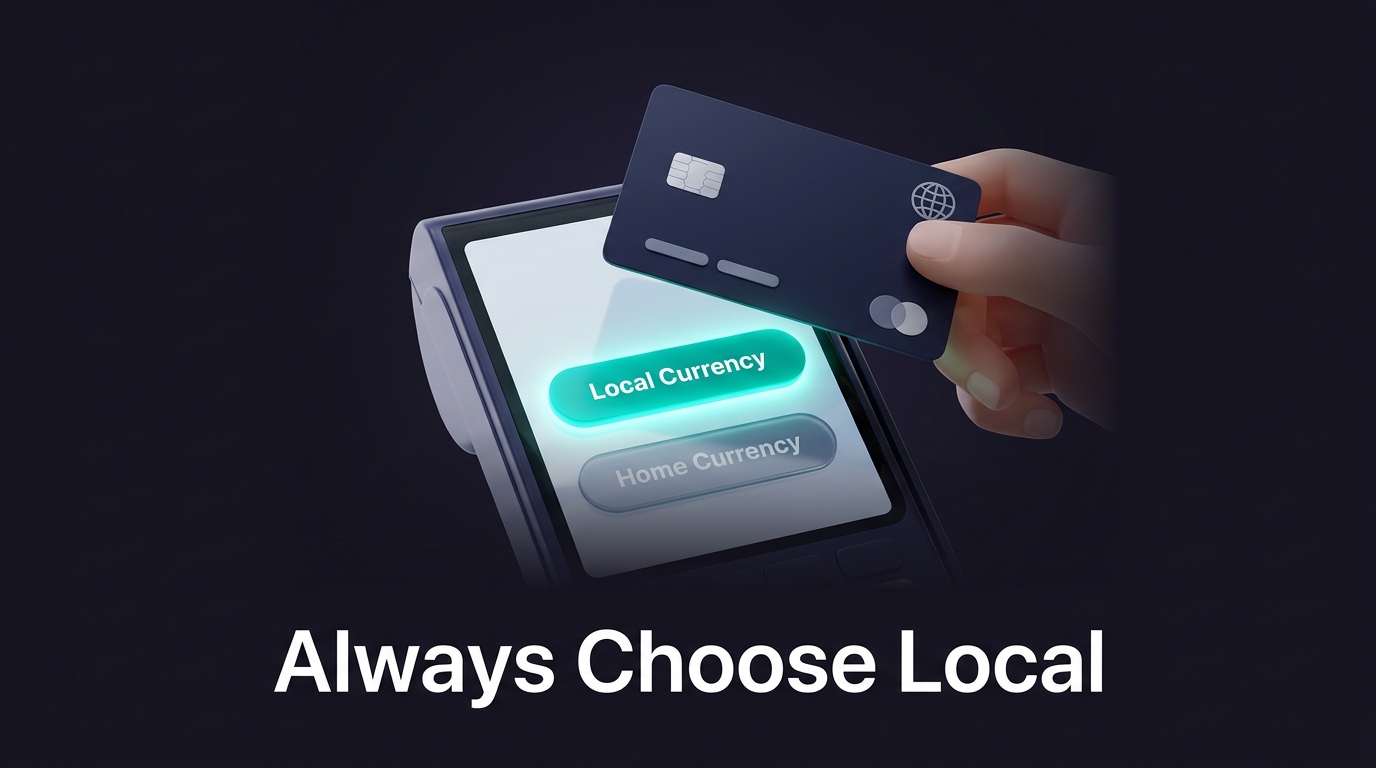
Even with a zero-forex card, you can get hit by sneaky fees if you're not careful. The biggest culprit is Dynamic Currency Conversion (DCC). When a merchant or ATM asks if you want to pay in your home currency (INR) or the local currency, always choose the local currency. If you choose INR, the merchant's bank sets the exchange rate, and it's almost always worse than your card's network rate. That's a hidden fee you can easily avoid.
Another practical tip: enable international transactions on your card before you travel. You can usually do this in your bank's app. Also, carry a backup card with a different network (Visa and Mastercard, or a RuPay card for certain regions). I've had cards declined abroad for no apparent reason, and a backup saved me more than once.
Finally, always check your bank's website for the latest fees and benefits before applying—these things change often, and I'd hate for you to rely on outdated information. For a deeper dive into avoiding fees, see my guide to using credit cards abroad from India.
Which Card Should You Pick?
Here's my honest advice based on your profile:
- Student or new to credit: IDFC FIRST WOW! Black (FD-backed, zero forex, low fee) or Scapia (free, zero forex) if you have some credit history.
- Occasional traveller (1-2 trips a year): RBL World Safari or IDFC FIRST Mayura if you can get approved. Zero forex saves real money.
- Frequent flyer who loves lounges: YES BANK Marquee for unlimited lounges and 1% forex, or HDFC Diners Black Metal if you're in the HDFC ecosystem and accept Diners limitations.
- Miles collector: Axis Atlas for transferable miles, or IndusInd Avios if you're loyal to oneworld airlines.
- Budget-conscious minimal spender: Scapia is your card. Free, zero forex, easy approval.
If you're still unsure, just take the quiz to find the card made for you. It asks a few questions about your spending and travel habits, and in two minutes you'll get a personalised recommendation. I've also written a detailed guide to the best international credit card for travel that covers more options.
Frequently Asked Questions
Which credit card has no foreign transaction fee in India?
Several cards offer zero forex markup, which is the same as no foreign transaction fee. The best options are IDFC FIRST Mayura, BOBCARD Scapia, RBL World Safari, and IDFC FIRST WOW! Black. Scapia is the only one that's truly free with no annual fee.
What is a good forex markup fee for a credit card?
Standard is 3.5%. Anything below 2% is good, 1% is excellent, and 0% is ideal if you spend regularly in foreign currency. Premium cards like YES BANK Marquee (1%) and HDFC Diners Black Metal (2%) are good examples.
Can I use my regular credit card for international online purchases?
Yes, but you'll likely be charged a 3.5% forex markup on every transaction in a foreign currency. That applies to online subscriptions, shopping from international sites, and even some domestic transactions processed abroad. Use a zero-forex card to avoid this fee.
Do zero forex markup cards also offer lounge access?
Not always. Some zero-forex cards like Mayura and World Safari include lounge access, but free cards like Scapia typically do not. Check the specific card's features before you expect lounge perks.
What is the best credit card for students going abroad?
The IDFC FIRST WOW! Black Credit Card is my top pick for students. It's FD-backed, so you can get approved without a credit history, and it has zero forex markup. The annual fee is ₹750, which is low. Scapia is also good if you already have some credit history and want a free card.
Remember, fees and benefits change. Always confirm the current details on the bank's website before you apply. And if you want a personalised recommendation based on your exact profile, take the quiz and find the card that fits you best.

Written by
Chitransh Saxena
20 years of credit card use, and 8 years without paying for a flight, hotel or forex fee. I write CardBuddy's guides.