Best Credit Cards for Self-Employed in 2026: Top Picks
8 November 2026
I've been using credit cards for 20 years, and for the last eight, I haven't paid for a flight, hotel, forex markup, or service fee because my cards take care of it. That's why I can tell you which cards actually work for people like us. If you're self-employed, the usual salary-based advice doesn't always apply—your income isn't the same every month, and sometimes you don't even have an ITR. This list of the best credit card for self employed keeps that reality in mind.
Quick Answer: Top 5 Cards for Self-Employed
| Rank | Card | Best For | Annual Fee |
|---|---|---|---|
| 1 | IDFC FIRST WOW! Credit Card | Low or variable income, no ITR | ₹0 |
| 2 | HDFC Bank Business Credit Card | Separating business expenses | Varies |
| 3 | American Express Membership Rewards Credit Card | Travel and client entertainment | ₹4,500 (waiver at ₹1.5L) |
| 4 | SBI SimplyCLICK Credit Card | Online shopping and cashback | ₹499 (waiver at ₹1L) |
| 5 | YES BANK BYOC Credit Card | Customising rewards | ₹588 (joining ₹49) |
Here's a one-line reason for each: the IDFC FIRST WOW! is a lifetime-free FD-backed card that needs no income proof. HDFC Business is built for business expenses. Amex MR gives flexible travel rewards. SBI SimplyCLICK rewards online spends. YES BYOC lets you choose categories. Details below.
Why Self-Employed Need a Different Kind of Credit Card
When you work for yourself, your income doesn't come as a neat monthly salary slip. Banks love salary slips because they're predictable. For a freelancer or small business owner, proving you can pay back is trickier. You might have one great month and one lean month. Some banks get that, but many still ask for documents you may not have, like a recent ITR or a stable bank balance over months.
That's why the cards that work for self-employed people are often different. They may be secured by a fixed deposit, or they may be designed for business spending with higher limits and expense tracking. Rewards also matter: if you're paying for software, online ads, and client dinners, you want those spends to work for you.
I've learned to pick cards that match my actual spending patterns, not just the flashy ones. A card that gives great rewards on travel is useless if I never travel. And I always keep an eye on fees—a high annual fee has to earn its keep.
How to Qualify for a Credit Card When You're Self-Employed
This is the first hurdle. Most card applications ask for income proof. If you have an ITR, that's the strongest document. But many freelancers don't file one, or their income fluctuates too much to look good on paper. So what can you do?
- Use your bank statements: Some banks accept last 6–12 months of bank statements instead of salary slips. A healthy average balance helps.
- Get an FD-backed card: This is the easiest path if you have no ITR. You open a fixed deposit, and the bank gives you a credit card with a limit usually 80–100% of the FD amount. It builds your credit history, and after a year or two, you can apply for unsecured cards. The IDFC FIRST WOW! Credit Card is a great example: lifetime free, no income proof needed, and even zero forex markup.
- Apply where you bank: If you have a savings or current account with a bank, they already see your cash flow. They may offer you a card pre-approved or with minimal paperwork.
- Check your credit score: Even self-employed, a good CIBIL score (750+) makes approval easier. Pay your existing loans and credit card dues on time.
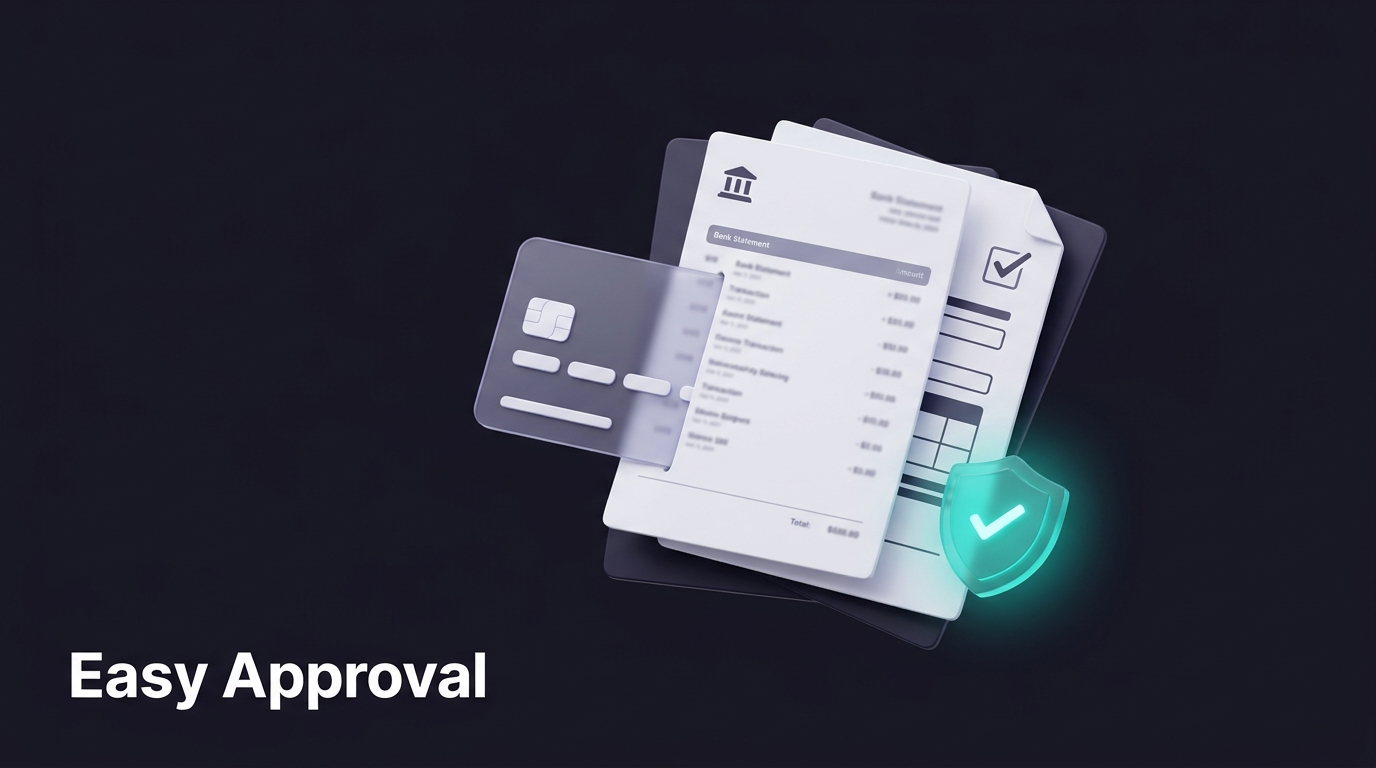
I've personally used an FD-backed card early on when my income was irregular. It was a small limit, but it started my credit journey, and that's what matters.
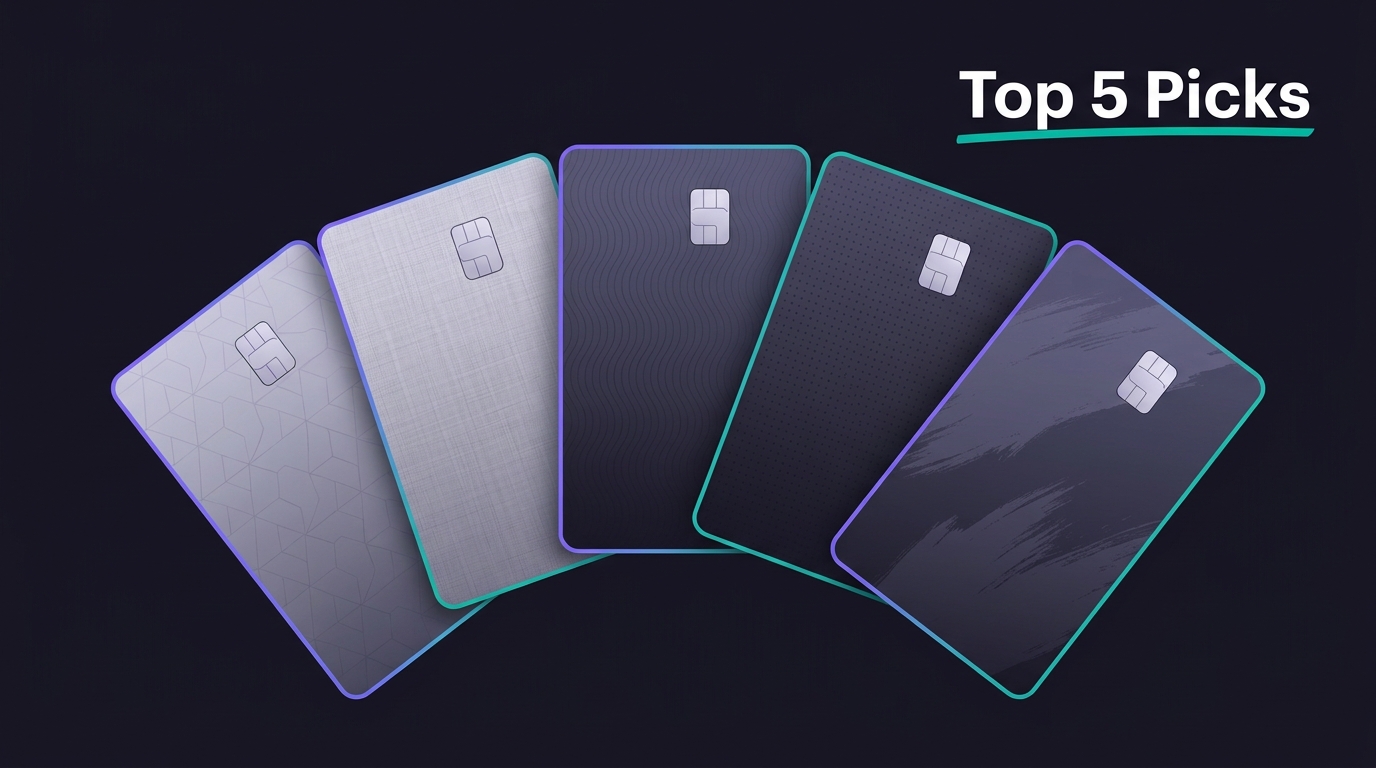
Best Credit Cards for Self-Employed: Top 5 Picks
1. IDFC FIRST WOW! Credit Card
If you're self-employed and struggling to get a card, start here. This is an FD-backed card, so approval is almost guaranteed as long as you open a fixed deposit. It's lifetime free, has zero forex markup, and reports to CIBIL to build your credit. The credit limit is based on your FD amount, typically 100%, so a ₹50,000 FD gets you a ₹50,000 limit. For a freelancer with no ITR or a new business, this is the safest first step.
Fee: ₹0 joining and annual. Best for: Low or variable income, first-time credit users. Drawback: Your money is locked in an FD, and the limit is capped by that amount.
2. HDFC Bank Business Credit Card
HDFC offers several business credit cards aimed at self-employed professionals and small business owners. These are unsecured cards, so you'll need some income proof like an ITR or good bank statements. The key benefit is separation: you get a higher credit limit than personal cards, and you can keep all business expenses on one statement. That makes accounting much easier. Many variants also offer cashback or reward points on business categories like utilities, telecom, and office supplies.
Fee: Varies by variant, often ₹500–₹2,500, with spend-based waivers. Best for: Small business owners who want to separate expenses. Drawback: Eligibility is stricter; you'll likely need at least one year of business vintage and decent turnover.
3. American Express Membership Rewards Credit Card
For self-employed professionals who travel or entertain clients, this Amex card is a strong pick. It earns Membership Rewards points on every purchase, and those points transfer to airline and hotel partners—great if you travel for work. Amex also has excellent customer service and purchase protection, which can save you when a business purchase goes wrong. The annual fee is high at ₹4,500, but if you spend ₹1.5 lakh a year, it's waived 100%. There's also a partial waiver: spend ₹90,000–₹1.49 lakh and get 50% off. And you can earn 1,000 bonus points monthly by doing four transactions of ₹1,500+ each. For a consultant who bills clients and uses a card for expenses, this can be a rewarding setup.
Fee: ₹4,500, waived at ₹1.5 lakh spend. Best for: Travellers and those who want flexible rewards. Drawback: High fee if you don't hit the waiver, and Amex acceptance in India is still limited at some small merchants.
Read more about the American Express Membership Rewards Credit Card.
4. SBI SimplyCLICK Credit Card
If you run your business online—paying for software, digital ads, e-commerce supplies—this card rewards those spends heavily. You get 10X reward points on Amazon, BookMyShow, Cleartrip, Myntra, Swiggy, and other online partners, and 5X on all other online spends. There's a ₹500 Amazon gift card on joining, which offsets the first year's fee. The annual fee is ₹499, waived on spending ₹1 lakh. For a freelancer or small business owner who shops online regularly, this is a straightforward cashback-style card with easy approval (income requirement is modest).
Fee: ₹499, waived at ₹1 lakh spend. Best for: Online spenders. Drawback: Lower rewards on offline spends, and the fee waiver threshold may be high for a new business.
Full details on the SBI SimplyCLICK Credit Card.
5. YES BANK BYOC (Build Your Own Card) Credit Card
This card is almost never mentioned in similar lists, but it can be brilliant for self-employed people because you choose your reward categories. If you spend most on advertising, travel, or utilities, you can set the card to give higher rewards there. The joining fee is just ₹49, and the annual fee is ₹588, making it one of the cheapest customisable cards. The income requirement is moderate (₹35,000/month estimated), so established freelancers and consultants can qualify. If your spending is predictable, this card can be tailored to give you more value than a generic rewards card.
Fee: ₹49 joining, ₹588 annual. Best for: Customising rewards to your business. Drawback: The customisation options may be limited; it's not a high rewards card if your spending is scattered.
Check out the YES BANK BYOC Credit Card.
How to Choose the Right Card for Your Business
Start by tracking where your money goes each month. Do you buy a lot online? Travel often? Pay for ads? Then match the card to those categories.
If you're just starting out and have no ITR, an FD-backed card is the way to go. Once you have a year or two of credit history and some ITR filings, you can move to unsecured business cards or premium rewards cards.
Also think about whether you truly need to separate business and personal expenses. If yes, a business credit card with a higher limit and separate statement is worth it. If not, a personal card with good rewards on your main categories may be simpler and cheaper.
And don't ignore fees. A card with a ₹4,500 fee but a waiver at ₹1.5 lakh spend is only worth it if you actually spend that much. For many freelancers, a lifetime-free card makes more sense.
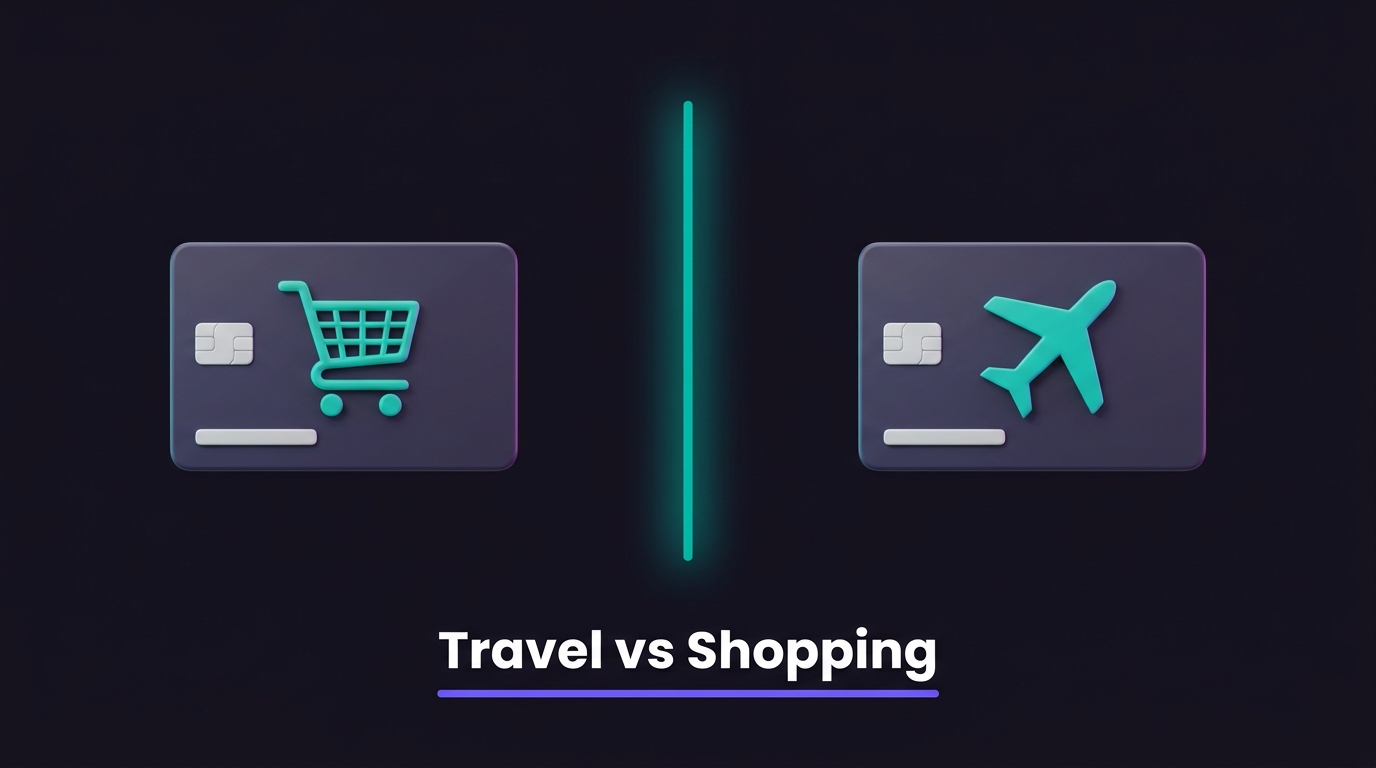
For example, if you travel a lot, the best travel rewards credit cards might be a better fit. If you want to avoid fees entirely, see the lifetime free credit cards list.
Common Mistakes to Avoid with a Self-Employed Credit Card
- Mixing personal and business spending: It makes accounting a nightmare and you lose track of tax-deductible expenses. Use a separate card for business if you can.
- Carrying a balance: Credit card interest in India is 3–4% per month. That's deadly. Pay your bill in full every month, no exceptions.
- Ignoring fee waiver conditions: If your card has an annual fee but a waiver on spending, set a reminder to check if you're on track. Missing the waiver by a few thousand rupees is painful.
- Not checking reward redemption options: Some cards have terrible redemption options (complicated portals, low value). Before you build your spending around a card, know what the points are actually worth.
- Applying for too many cards at once: Each application triggers a hard credit inquiry, which temporarily drops your score. Space out applications.
Which Card for Which Profile?
Here's a quick guide to match your situation:
- Freelancer with variable income, no ITR: Start with the IDFC FIRST WOW! Credit Card. It's FD-backed, zero fee, and builds your credit.
- Small business owner with good income proof: Consider the SBI SimplyCLICK Credit Card for online spends, or a business card from HDFC if you need higher limits and separate statements.
- Consultant or professional who travels: The American Express Membership Rewards Credit Card gives flexible travel rewards and purchase protection.
- Self-employed with predictable spending categories: The YES BANK BYOC Credit Card lets you customise rewards.
- New to credit, no history: FD-backed cards are your safest entry. You can also look at best secured credit cards.
FAQ: Self-Employed Credit Cards
Can I get a credit card if I am self-employed and have no ITR?
Yes. An FD-backed credit card like the IDFC FIRST WOW! requires no income proof at all. You open a fixed deposit, and that becomes your credit limit. After using it responsibly for a year or two, you can apply for unsecured cards with your bank statements or a newly filed ITR.
Which bank gives credit cards to self-employed easily?
Banks that offer FD-backed cards—IDFC FIRST, SBI, ICICI, HDFC—are the easiest because there's no income verification. For unsecured cards, your existing bank is often your best bet since they already know your cash flow.
Are business credit cards better than personal cards for freelancers?
It depends. A business card helps separate expenses and often has a higher limit, but it may have lower reward rates or higher fees. If your business and personal expenses are intertwined, a personal card with good rewards on your categories is often simpler and just as effective.
What documents do I need to apply for a self-employed credit card?
Typically, you'll need identity proof (Aadhaar, PAN), address proof, and income proof. For self-employed, income proof can be your latest ITR, bank statements for 6–12 months, or business registration documents. FD-backed cards only need KYC documents and the fixed deposit.
Will using a credit card for business expenses affect my personal credit score?
Yes, if the card is in your name. Personal and business credit are linked in India for sole proprietors and freelancers. Missed payments or high utilisation on any card will impact your CIBIL score, affecting future loans and cards.
Final Thoughts
The best credit card for self employed is the one that approves you and then rewards how you actually spend. If you're new or have no ITR, start with an FD-backed card. If you have established income, pick a rewards or business card that matches your expenses. Always pay in full, keep an eye on fees, and don't chase points over practicality.
Fees and benefits change, so confirm on the bank's website before applying. And if you're not sure which card fits you, take the 2-minute quiz and I'll point you to the right one.
If you're salaried, the rules are different—check out my guide to the best credit cards for salaried employees. And if you love rewards, see which cards earn the most reward points.

Written by
Chitransh Saxena
20 years of credit card use, and 8 years without paying for a flight, hotel or forex fee. I write CardBuddy's guides.