Which Scapia Credit Card Is Best in 2026?
4 November 2026

I have used credit cards for over 20 years, and for the last eight, I haven't paid for a flight, a hotel, or a forex markup because of how I choose my cards. That's exactly why I can tell you which Scapia credit card is best, and more importantly, which one will actually work for you. Scapia is a fintech that issues co-branded travel credit cards with three different banks: Federal Bank, Axis Bank, and BOBCARD (Bank of Baroda). The core benefits are nearly identical across all three, but the issuer makes a small difference in service, eligibility, and the fine print. Let me break it down so you can choose without guesswork.
If you're in a hurry, here's the short answer: the Scapia Federal Bank Credit Card is the best overall for most people. It's the original, the most widely reviewed, and it combines a lifetime-free structure with zero forex and high travel rewards. The Axis Bank version is a very close second, and the BOBCARD version is worth considering only if you have a strong relationship with Bank of Baroda.
Quick Answer: Best Scapia Cards Ranked
| Rank | Card | Best For | Annual Fee |
|---|---|---|---|
| 1 | Scapia Federal Bank Credit Card | Frequent travellers wanting lifetime-free + zero forex | ₹0 |
| 2 | Scapia Axis Bank Credit Card | Axis Bank existing customers or those preferring its service | ₹0 |
| 3 | BOBCARD Scapia Credit Card | Bank of Baroda customers or PSU bank preference | ₹0 |
1. Scapia Federal Bank Credit Card – The default choice. 20% rewards on travel bookings via the Scapia app, 10% on everyday spends, zero forex, and a free RuPay companion card. Lifetime free. Slight catch: availability may be limited in some cities now.
2. Scapia Axis Bank Credit Card – Same reward structure, same zero fees, same lounge benefit. If you already bank with Axis or prefer their app, this is a safe pick. Reward caps are similar but always check the current terms.
3. BOBCARD Scapia Credit Card – The newest issuer. Same headline benefits, and possibly easier approval for existing Bank of Baroda customers. But as the newest, its long-term reward consistency is the least talked about.
What is Scapia and How Many Cards Are There?
Scapia is not a bank; it's a travel-focused fintech that partners with banks to issue co-branded credit cards. Right now, you can find Scapia cards from three issuers: Federal Bank, Axis Bank, and BOBCARD. All of them are built around the Scapia app, where you earn and redeem rewards called "Scapia coins". The main card is typically a Visa or Mastercard, and every Scapia account also includes a complimentary RuPay card that you can link to UPI for extra rewards on small spends.
One more thing: there's a separate feature called SmartForex available on some Scapia Visa cards. It works like a prepaid forex wallet inside the app, letting you load money and lock exchange rates before an international trip. Not every Scapia card has it, and newer variants may not offer it at all, so check the app after you get the card.
Scapia Federal Bank Credit Card: The Original
The Federal Bank Scapia card was the first one launched, and it's still the one most reviewers talk about. Here's what you get:
- 20% rewards on travel bookings made through the Scapia app (flights, hotels, buses, and more)
- 10% rewards on most other eligible spends (with some category exclusions)
- 5% rewards on spends via the complimentary RuPay card, when you use UPI for transactions of ₹500 or more
- Zero forex markup on all international transactions
- Zero joining and zero annual fees – lifetime free
- Unlimited domestic lounge access when you spend at least ₹20,000 in the previous month (some airport dining and shopping discounts come with this too)
- Complimentary RuPay card linked to UPI for daily rewards
This is the version I'd recommend first to most people. It's been around the longest, has the most user feedback, and the reward structure is simple: use the Scapia app for travel, use the RuPay card for UPI, and you'll stack rewards quickly. The one catch? Federal Bank's Scapia card may not be open to new applicants in every city right now, and the bank has paused new issuances at times depending on demand. If you apply and it's not available, the Axis Bank version is your next best bet.

The main drawback of the Federal Bank card is the same as all Scapia cards: you must use the Scapia app to redeem rewards, and the 20% travel rate only applies to bookings made inside that app. If you prefer booking directly with airlines or hotel chains, this card won't give you the headline rate. Also, the lounge access is conditional on the ₹20,000 monthly spend, which is fine for regular travellers but useless if your spending is low or irregular.
Scapia Axis Bank Credit Card: The Strong Alternative
The Axis Bank Scapia card is nearly identical to the Federal Bank version on paper. It offers the same 20% travel rewards through the app, 10% on everyday spends, 5% on RuPay UPI transactions of ₹500+, zero forex, zero fees, and unlimited domestic lounge access with the same ₹20,000 monthly spend condition. The RuPay companion card comes with it as well.
So why would you choose Axis over Federal Bank? A few reasons:
- Axis Bank's service network: If you already have an Axis Bank account or another Axis credit card, managing this card in one place is easier. Axis Bank also has a large branch and ATM network if you like face-to-face support.
- Digital experience: Axis Bank's mobile app is generally considered solid, and while you'll still use the Scapia app for rewards, the banking side (payments, statements, disputes) is handled by Axis, which many people find smooth.
- Availability: In some cities, the Axis Bank variant may be more readily available than the Federal Bank one, especially if Federal Bank has paused new applications in your area.
The honest drawback is the same as the Federal Bank card: the rewards are tied to the Scapia app, and you need to keep spending ₹20,000 a month to activate lounge access. Some users have also noted that Axis Bank's credit card approval process can be stricter, but that's not unique to Scapia.
If you're comparing this against other travel cards, you might want to check our guide to the best travel rewards cards in India. The Axis Scapia often appears there because of the zero forex and lifetime-free combo.
BOBCARD Scapia Credit Card: The Newest Option
BOBCARD, the credit card arm of Bank of Baroda, joined the Scapia partnership more recently. This version offers the same core benefits: zero joining and annual fees, zero forex markup, 20% rewards on Scapia app travel bookings, 10% on other eligible spends, and a RuPay companion card for UPI. Lounge access is also available with the ₹20,000 monthly spend condition, though you should confirm the exact details on the BOBCARD website because it's the newest entrant.
The main reason to pick BOBCARD over the other two is if you already have a Bank of Baroda savings account or other products with them. Existing customers may find the application smoother, and some PSU bank users simply prefer managing credit with a bank they trust. It's also a solid option if you live in a tier-2 or tier-3 city where Bank of Baroda has a stronger presence than Federal or Axis.
The downside? Because this card is newer, there's less user feedback and fewer independent reviews about its reward consistency and app sync. The core Scapia experience is the same, but any issuer-specific glitches or service delays are less documented. If you want the safest choice, Federal or Axis is probably better. But if you're a BOB loyalist, this card is still a good deal. You can read more about the BOBCARD Scapia Credit Card in our detailed card page.
Key Differences Between the Three Scapia Cards
Honestly, the reward rates and fees are essentially the same across all three issuers. The differences come down to:
- Customer support: Each bank has its own helpline and dispute resolution process. If you already have a good relationship with one bank, that's a small but real advantage.
- Eligibility and approval: The banks may have slightly different internal criteria, though Scapia's marketing suggests similar broad eligibility. Federal Bank may be more conservative, Axis more digital-first, and BOBCARD more PSU-style.
- App experience: The Scapia app is identical regardless of issuer, but the banking side (card blocking, statement download, limit changes) is handled by each bank's own app or portal.
- Availability: Not every issuer is accepting new Scapia applications in every region at all times. If one bank's card is paused in your city, try the next bank.
One thing that's not different: the annual fee. All Scapia cards are lifetime free. If any agent tells you there's a fee, walk away. And if you're interested in comparing against other lifetime-free options, our article on the best lifetime free credit cards in India may help.
How to Choose the Best Scapia Card for You
Here's my practical advice after years of using travel cards:
- Are you a frequent traveller? If you book flights or hotels at least a few times a year and can use the Scapia app for those bookings, any Scapia card will pay you back well. The 20% reward rate is among the highest in this category. For context, see our list of the best international travel credit cards – Scapia regularly competes with premium cards despite being free.
- Do you use UPI heavily? Every Scapia card includes the RuPay companion card. You get 5% rewards on UPI spends of ₹500 and above, which is excellent for daily expenses. If you use UPI for everything, this is a strong reason to pick Scapia over other travel cards that don't offer a RuPay variant.
- Do you want a forex prepaid option? Some Scapia Visa cards have the SmartForex feature, which lets you load money and lock exchange rates before a trip. This is great if you want to avoid currency fluctuations. However, not every issuer may offer it right now, so check in the Scapia app after you get the card.
- Which bank do you already use? If you have a Federal Bank account, start with the Federal Scapia. If you use Axis Bank, go with Axis. If you're a Bank of Baroda customer or prefer a PSU bank, choose BOBCARD. In most cases, your existing bank will make the application and management smoother.
- Still unsure? Go with the Federal Bank version if it's available in your city. It's the most established, has the most user reviews, and there's no meaningful downside compared to the other two.
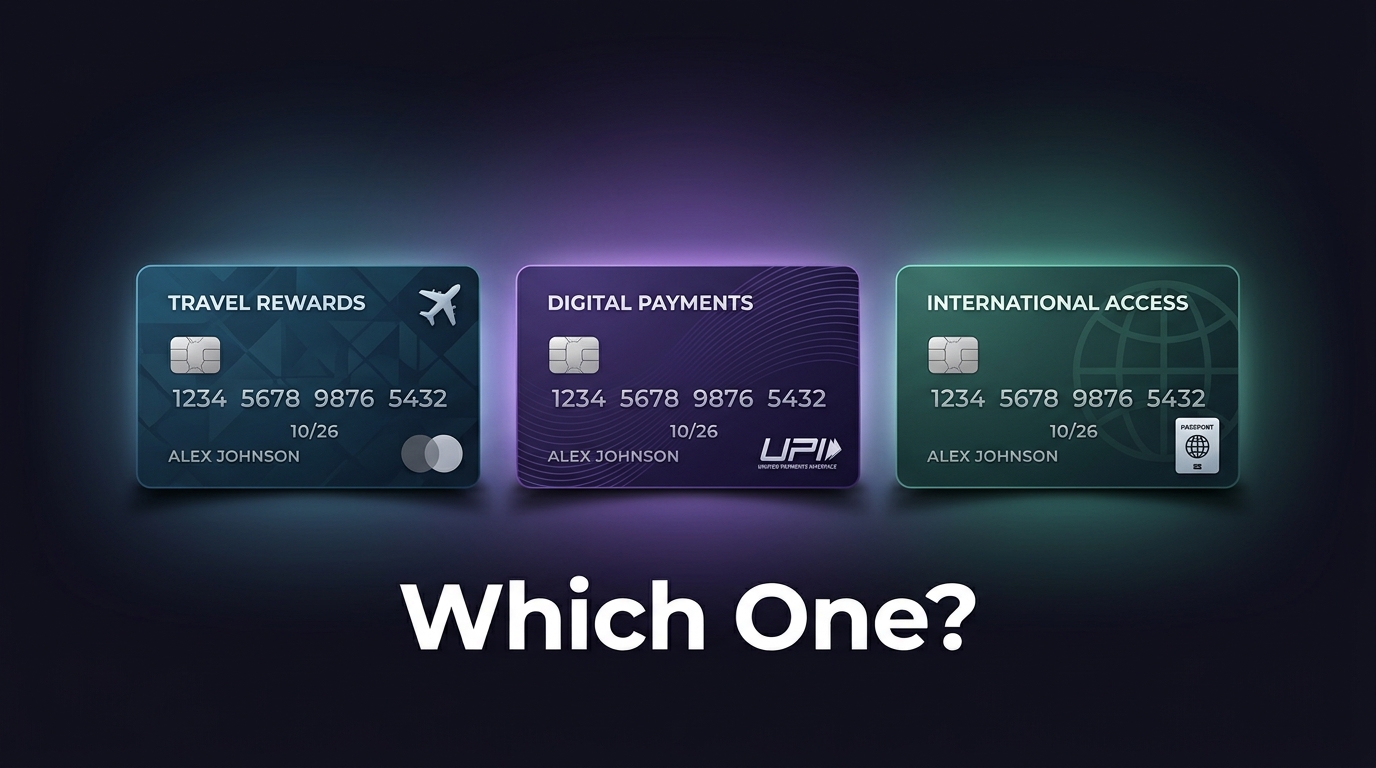
Remember, the best Scapia card for you is the one you can actually get and will actually use. Don't overthink the issuer – the core product is nearly identical. Instead, focus on whether you'll use the Scapia app for travel bookings and whether you'll hit the ₹20,000 monthly spend for lounge access if that matters to you.
If you're still comparing travel cards from other banks, our guide to the best credit cards for foreign travel may give you more perspective. But for a free card with zero forex, Scapia is hard to beat.
Common Questions About Scapia Cards
Which bank issues the Scapia credit card?
Scapia cards are issued by Federal Bank, Axis Bank, and BOBCARD (Bank of Baroda). All three cards are co-branded with Scapia and offer the same core rewards on the Scapia app. You can choose the issuer that suits you best.
Is the Scapia credit card really lifetime free?
Yes. All variants of the Scapia credit card have zero joining fee and zero annual fee. This has been consistent across issuers. However, always confirm on the bank's website when you apply, as terms can change.
What is the minimum spend for Scapia lounge access?
To get unlimited domestic lounge access, you need to spend at least ₹20,000 in the previous calendar month. This condition is the same for Federal Bank, Axis Bank, and BOBCARD variants. If you don't meet the spend, you won't have lounge access that month.
Can I use Scapia coins for non-travel purchases?
Scapia coins are primarily meant for travel bookings within the Scapia app. You can redeem them for flights, hotels, and other travel services. You cannot directly convert them to cash or use them for non-travel purchases. For non-travel rewards, the RuPay companion card gives 5% back on UPI spends, which is separate from Scapia coins.
Is the Scapia RuPay card free with the main card?
Yes. Every Scapia credit card comes with a complimentary RuPay card that you can link to UPI. There is no extra fee for this companion card. It earns 5% rewards on eligible UPI transactions of ₹500 or more, which is a great addition for daily spending.
Before you apply, remember that fees and benefits can change. Always check the official bank website and the Scapia app for the latest terms, especially the reward caps, exclusions, and lounge access conditions. What's true today may not be true in six months.
If you've read this far and you're still not sure which Scapia card fits your spending, just take the 2-minute quiz on CardBuddy. Answer a few questions, and it'll show you the best card for your lifestyle – Scapia or otherwise. I built it exactly for this confusion. Or if you want a broader comparison of travel cards, check our best travel rewards cards in India.
And remember: the "best" Scapia card is the one that matches your travel frequency, your UPI usage, and your existing banking. Don't chase the flashiest variant; just pick the issuer you trust and use the card consistently. That's how I've managed to travel for years without paying for flights and hotels out of pocket.

Written by
Chitransh Saxena
20 years of credit card use, and 8 years without paying for a flight, hotel or forex fee. I write CardBuddy's guides.