Best Way to Use a Credit Card Online Check Writer
21 November 2026

I've been using credit cards for over 20 years now, and for the last eight of those I haven't paid for a flight, a hotel stay, forex fees or service charges because of how I choose and use my cards. So when a reader asks me the best way to use a credit card online check writer in India, I know exactly the kind of pain they're facing: they want to pay a vendor, a landlord, or a supplier by card to earn rewards or manage cash flow, but the other side only takes a bank transfer, UPI, or a cheque. This guide will show you the smartest ways to do that, the cards that actually reward those payments, and how to avoid the fees that quietly eat your rewards.
If you're in a hurry, here's my ranked list of the best credit cards for payments that look like an 'online check' to the platform you're using.
| Rank | Card | Best For | Annual Fee |
|---|---|---|---|
| 1 | HDFC Bank Infinia Credit Card | High spenders who want maximum rewards on all spends including rent and vendor payments | ₹12,500 (waived on ₹10L annual spend) |
| 2 | American Express Platinum Travel Credit Card | Frequent travellers who want milestone rewards on large annual spends | ₹5,000 |
| 3 | Axis Bank Atlas Credit Card | Frequent travellers who want transferable miles on all spends | ₹5,000 |
| 4 | Standard Chartered Ultimate Credit Card | Value seekers wanting a flat high reward rate on all spends | ₹5,000 |
| 5 | RBL Bank World Safari Credit Card | Budget-conscious users who still want travel perks and rewards | ₹3,000 |
HDFC Infinia is the top pick if you can get it—invite only, but outstanding reward value. Amex Platinum Travel is superb for milestone bonuses on big spends. Axis Atlas gives flexible travel miles. Standard Chartered Ultimate offers a flat high reward rate. RBL World Safari is the low-fee dark horse.
The rest of this guide explains why these cards make sense and how to actually use them for 'check writer' style payments in India without losing money on fees.
How Online Check Writing Works in India
In the US, an 'online check writer' is a service that lets you pay any person or business by credit card even if they normally only accept checks or bank transfers. The service charges your card, then sends a check or ACH transfer on your behalf. In India, the concept is similar but the execution is different. We don't have a single dominant 'check writer' platform, but we do have many services that let you use a credit card to pay for things that traditionally didn't accept cards—rent, utility bills, vendor invoices, insurance premiums, even some tax payments.
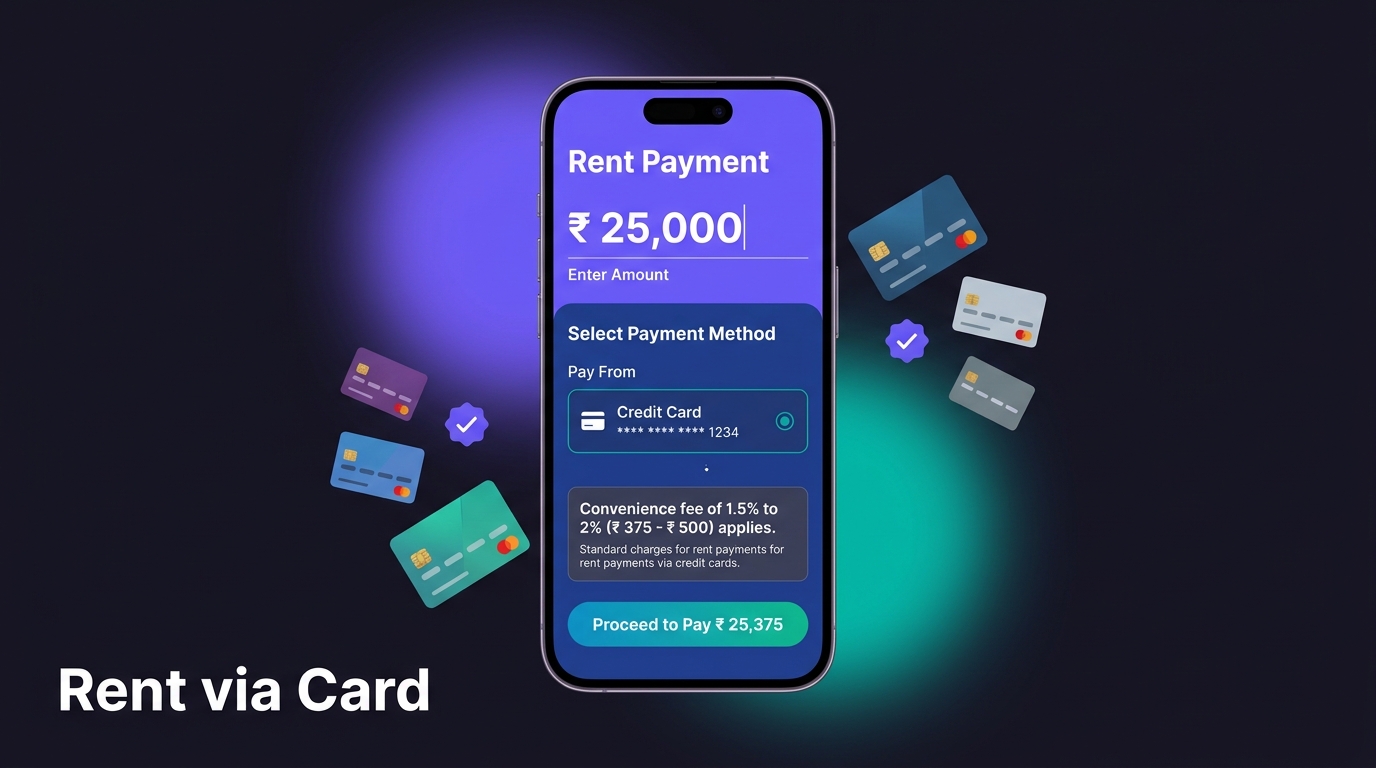
How it works: you input the beneficiary's bank account details or choose a biller on the platform, select your credit card as the funding source, and pay a convenience fee (usually 1-3%). The platform then transfers the money to the recipient's bank account via NEFT/IMPS or generates a payment that is effectively a bank transfer from their end. This lets you earn credit card rewards on what would otherwise be a plain bank transfer.
Popular platforms in India include Cred (for rent and some vendor payments), Paytm, Mobikwik, NoBroker, RedGirraffe, and others. Each charges a fee, typically 1.5% to 3% depending on the card type and transaction size. For example, paying rent by credit card through Cred often carries a fee around 1.5% to 2.5%. You must factor that fee against the rewards you earn. If your card gives you 2% value and the platform charges 2.5%, you are actually losing money unless the card has milestone benefits or you are meeting a spend threshold for a big bonus.
Some people also use wallet loads—loading money into a wallet like Paytm using a credit card, then transferring to a bank account or paying a merchant. But wallet loads are increasingly excluded from rewards and sometimes treated as cash advances, so I don't generally recommend that route unless you have a specific card that still rewards it.
Key Factors to Consider Before Using a Credit Card for Online Check Payments
Before you start paying your landlord or vendor by card, you need to check a few things to make sure you're actually coming out ahead.
- Platform convenience fee: As mentioned, expect 1-3%. Check the exact fee before every transaction, because they can change. Some platforms offer lower fees for certain cards or during promotions.
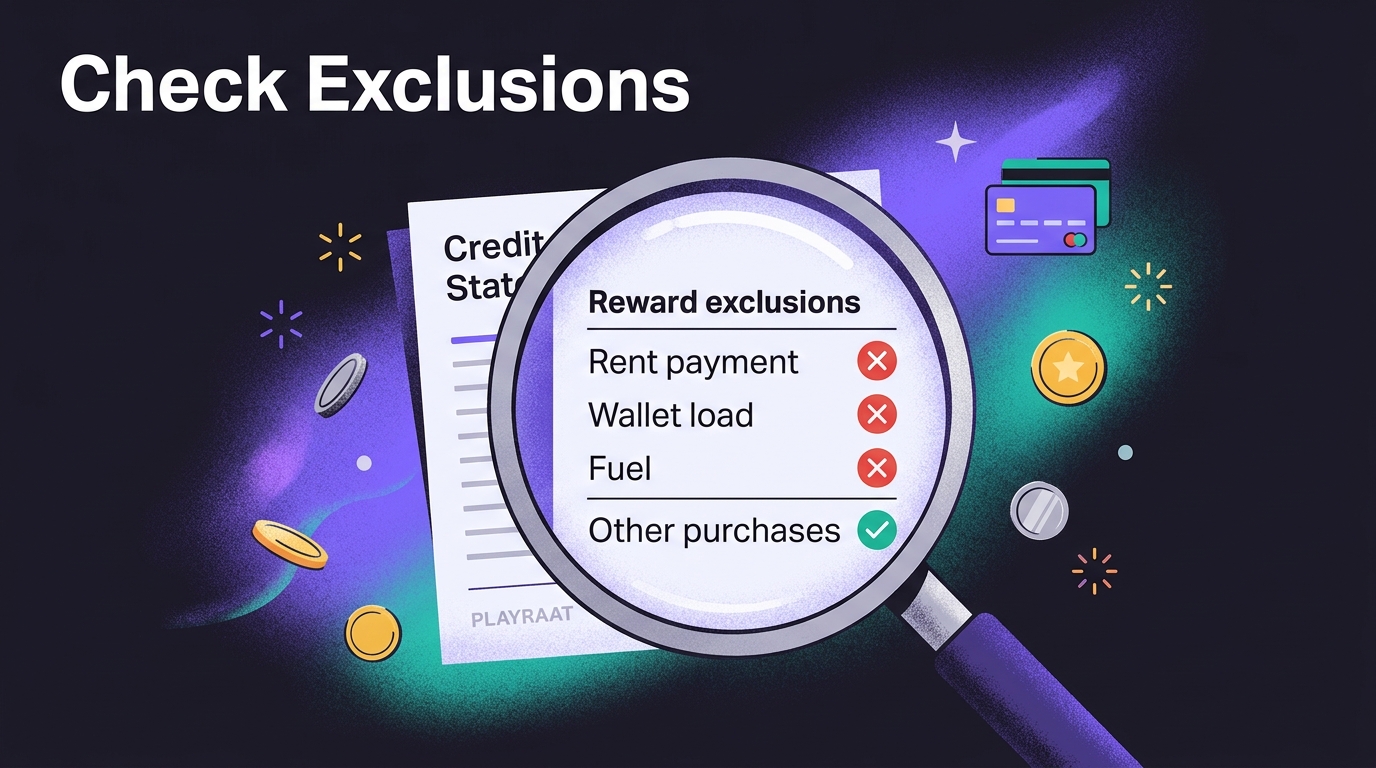
- Card reward exclusions: Many Indian banks have started excluding rent, wallet loads, fuel, and utility payments from earning reward points—or they cap the rewards on those categories. Always read your card's terms and conditions. For example, HDFC Bank's terms on reward points for rent transactions may be restrictive and can change without notice.
- Cash advance vs. purchase: If the transaction is processed as a cash advance, you'll be charged a cash advance fee (usually 2.5% to 3%) plus interest from day one, and you won't earn reward points. Most rent payment platforms mark transactions as 'rent' or 'utility', which are usually treated as purchases by card issuers, but confirm with your bank.
- Interest-free period: If you pay your full credit card bill by the due date, you get up to 45-50 days interest-free. That can help your cash flow, but only if you actually pay in full. Otherwise, interest charges will wipe out any rewards.
- Credit utilization: Large rent or vendor payments can spike your credit utilization ratio, which can temporarily lower your credit score. If you're close to your limit, consider paying the card bill right after the transaction.
- Tax deductibility: If you're a business owner or freelancer, the convenience fee you pay for a business-related payment is a legitimate business expense and may be tax-deductible. Keep proper records.
Best Credit Cards for Online Check Writer Payments
Now, the cards. I'm ranking them based on the value they can give you on typical 'check writer' transactions—assuming the card does not exclude the specific category. However, you must verify current reward terms on the bank's website before you rely on them. Here's my countdown.
1. HDFC Bank Infinia Credit Card
Why it earns the top spot: The HDFC Infinia Credit Card gives 5 reward points per ₹150 on all purchases. Each reward point is roughly worth ₹1 when redeemed for flights or hotels via HDFC SmartBuy, so that's an effective return of about 3.3%. If a rent payment platform charges 1.5-2% fee, you could still net around 1-1.8% in value, which is excellent. Plus, Infinia has no cap on reward points, unlimited lounge access, and milestone bonuses. The catch: it's an invite-only card with a ₹12,500 annual fee (waived only if you spend ₹10 lakh in a year), and eligibility is high—typically income over ₹3 lakh per month and a CIBIL score above 800. If you can get it, this is the ultimate workhorse for large payments.
Honest drawback: HDFC may exclude rent and wallet transactions from earning rewards or cap them. The card is also hard to get because of the invite-only policy. Check current terms before you use it for rent.
2. American Express Platinum Travel Credit Card
Why it earns the second spot: The American Express Platinum Travel Credit Card earns 1 Membership Rewards point per ₹50 spent (2x points on some categories). More importantly, it has fantastic milestone rewards: spend ₹1.9 lakh in a year and get 7,500 points; spend ₹4 lakh and get another 10,000 points, plus a ₹10,000 welcome gift in point value. These milestones can significantly boost your effective return. For example, if you put ₹4 lakh of rent/vendor payments on this card in a year (assuming the platform accepts Amex), you not only earn the base points but also unlock milestone bonuses worth thousands of rupees. Amex points transfer to airlines like Singapore Airlines, Emirates, or hotel partners like Marriott, often yielding 5-10% value per point when redeemed for travel.
Honest drawback: Amex acceptance on rent payment platforms is not universal—many smaller platforms don't take Amex. Also, the annual fee is ₹5,000, but there's no automatic waiver. Reward exclusions for rent may apply depending on how the transaction is coded. Always confirm with Amex and the platform.
3. Axis Bank Atlas Credit Card
Why it earns the third spot: The Axis Bank Atlas Credit Card earns 2 Edge Miles per ₹100 on all spends, and Edge Miles transfer to airline and hotel partners at excellent ratios (for example, 1 Edge Mile = 1 Air India Flying Returns point or 1 Accor point). This gives an effective return of about 2% on all spends, including rent. The card also has milestone benefits and airport lounge access. If you are a frequent traveller who wants airline-agnostic miles, this is a strong option. You can use it for vendor payments if the platform accepts Visa/Mastercard (which most do). The annual fee is ₹5,000, and the eligibility is high (income around ₹1.5 lakh per month).
Honest drawback: Axis Bank may exclude rent and wallet transactions from earning Edge Miles or cap them. The card's value is maximized only if you use the miles for travel redemptions. If you prefer cashback, look elsewhere.
4. Standard Chartered Ultimate Credit Card
Why it earns the fourth spot: The Standard Chartered Ultimate Credit Card gives 5 reward points per ₹150 (same rate as Infinia), and each point is worth ₹1, making it a flat 3.33% return on all spends. There's no cap on rewards. The annual fee is ₹5,000, which is reasonable for the benefits. It also offers 5% cashback on duty-free spends and golf privileges. If you want a simple, high-value card for all kinds of payments including rent, this is a solid choice—assuming the transaction category is not excluded. Many users report that rent payments via certain platforms do earn points on this card, but you must verify current terms.
Honest drawback: Standard Chartered may exclude rent, wallet loads, and utility payments from rewards. Redemption options are decent but not as flexible as Amex or HDFC points. Also, the card is not widely promoted and has a slightly lower acceptance in some online platforms compared to Visa/Mastercard from bigger banks.
5. RBL Bank World Safari Credit Card
Why it earns the fifth spot: The RBL Bank World Safari Credit Card has a low annual fee of just ₹3,000 and zero forex markup, making it a bonus travel card. It offers reward points on all spends, milestone benefits, and some lounge access. For someone who doesn't want to pay a high fee but still wants to earn something on rent or vendor payments, this can work if the reward rate exceeds the platform fee. The card is easier to get than the others on this list (income requirement around ₹60,000 per month).
Honest drawback: The reward rate is lower than the premium cards, and RBL Bank may exclude rent and wallet transactions. Redemption value is not as high as travel-focused cards. This is best for someone who wants a low-fee card and is okay with modest rewards.
Which Card for Which Profile
- High-income, high-spend individual: HDFC Infinia, if you can get it. Otherwise Standard Chartered Ultimate for a similar reward rate with lower eligibility.
- Frequent traveller who wants milestone bonuses: Amex Platinum Travel—put your large annual payments on it to hit milestones.
- Frequent traveller who wants transferable miles: Axis Atlas—great if you use Air India, Accor, or other partners.
- Value seeker wanting a flat reward rate and no fuss: Standard Chartered Ultimate.
- Budget-conscious user who still wants rewards and travel perks: RBL World Safari—low fee, zero forex.
- Student or first-time cardholder: These premium cards may be out of reach; consider a basic card and avoid paying rent by card until you have decent rewards. Check our list of best credit card for daily use in India for more options.
- Business owner paying vendors regularly: Amex Platinum Travel for milestone chasing, or Infinia if eligible. Also confirm if your card allows business expenses without issues.
How to Maximize Rewards and Minimize Fees
I've used these strategies myself and they work, but you need to be disciplined.
- Pick a card that doesn't exclude the transaction. Some cards explicitly exclude rent, wallet, or utility payments from rewards. Read the terms or call customer care to confirm before you use a card.
- Use the lowest-fee platform. Fees vary: Cred might charge 1.5% for one card and 2.5% for another. Paytm and Mobikwik sometimes run promotions with reduced fees. Compare before each payment.
- Leverage milestone bonuses. Amex Platinum Travel gives 7,500 points at ₹1.9 lakh and 10,000 more at ₹4 lakh annual spend. If you're going to spend that much anyway, using this card for rent can unlock big bonuses that outweigh platform fees.
- Pay your bill in full. Never carry a balance on these transactions. Interest rates are 36-42% annually in India, which will destroy any rewards.
- Watch your credit utilization. Large rent payments can push you over 30% utilization and hurt your credit score. Either ask for a higher credit limit or pay the card bill right after the rent payment.
- Consider tax benefits if you're a business. The convenience fee on business payments is a deductible expense. Keep receipts.
- Check the best credit card for rent payment article for more specific rent-oriented picks.
Alternatives to Credit Card Payments
Sometimes paying by card isn't worth it. Here are other options:
- UPI: Zero fees, instant, but no credit card rewards. If the platform fee exceeds your reward value, UPI is better.
- Bank transfer/cheque: No fees, but no rewards and no interest-free period.
- Business credit line or overdraft: If you're a business owner, a business loan or overdraft might have lower interest rates than a credit card and give you longer repayment terms.
- Prepaid cards or wallets: Some wallets allow loading via credit card at lower fees, but many banks exclude wallet loads from rewards and treat them as cash advances. Not recommended unless you have a specific card that still rewards it.
My Personal Recommendation
After 20 years of using credit cards, my rule is simple: I will only pay rent or a vendor by card if I can net at least 2% value after all fees and exclusions. That means the card must give me above 2% rewards and the platform fee must be low. In my experience, the HDFC Infinia is the best if you can get it—it's hard to beat 3.3% rewards, even with a 2% platform fee you're still ahead. If you can't get Infinia, the Amex Platinum Travel is my second choice, especially if you can hit the ₹4 lakh annual spend milestone, because those bonus points are worth much more than the base rewards. For those who want simple cash-equivalent value, the Standard Chartered Ultimate is a solid pick.
My advice: don't use a card that gives you 1% or less on these payments—the fee will eat most of it. And always check the latest exclusions on your card's website before making a large payment, because banks change their terms silently. If you're unsure which card fits your overall spending profile, take the 2-minute quiz and I'll point you to the right one.
FAQ: Best Way to Use a Credit Card Online Check Writer
Can I use a credit card to pay vendors who don't accept cards in India?
Yes, you can use platforms like Cred, Paytm, Mobikwik, or NoBroker to initiate a payment by credit card. The platform charges a fee and then transfers the amount to the vendor's bank account. This works for rent, utility bills, vendor invoices, and more, as long as the platform supports that payment type.
Which credit card gives the highest rewards on rent payments in India?
Currently, the HDFC Infinia Credit Card offers the highest uncapped reward rate (5 points per ₹150, valued up to ₹1 each) on all spends, including rent, if the transaction is not excluded by HDFC. However, the card is invite-only. Among more accessible options, the Standard Chartered Ultimate Credit Card has the same reward rate and is easier to get. You can see all the cards in our rent payment guide.
Do Indian banks exclude rent and wallet payments from reward points?
Many banks have started excluding rent payments, wallet loads, and sometimes utility payments from earning reward points, or they cap the rewards. For example, HDFC Bank's terms for Infinia and other cards state that rent payments may not earn points or may have a cap. Axis Bank and Standard Chartered also have exclusions or caps. Always check the latest terms on your card's website or call customer care before making a large payment.
What is the convenience fee for paying rent by credit card via Cred or Paytm?
The convenience fee typically ranges from 1.5% to 3% depending on the platform, the card type, and the transaction amount. Cred usually charges about 1.5% to 2.5%, Paytm around 2% to 3%, and Mobikwik may offer lower fees during promotions. Always check the fee before completing the transaction.
Is paying rent by credit card treated as a cash advance?
In most cases, rent payments made through platforms like Cred, Paytm, or RedGirraffe are processed as regular purchases, not cash advances. This means you earn reward points (if not excluded) and get the interest-free period. However, if you load a wallet and then transfer to a bank account, that may be treated as a cash advance. Check with your bank to be sure.
What's the Smartest Move?
The best way to use a credit card online check writer in India is to combine a high-reward card with a low-fee platform and to pay your bill in full. Don't get lured into paying rent by card just for the sake of it—do the math. If you can net 2% or more in value, go ahead; if not, use UPI or bank transfer. And if you're not sure which card matches your spending, find your perfect credit card with our short quiz at CardBuddy. You can also compare credit cards side by side to see which one gives you the best net return on your biggest payments.
Note: Fees, reward rates, and exclusions change frequently. Always confirm the latest terms on the bank's official website before applying or using a card for specific transactions.

Written by
Chitransh Saxena
20 years of credit card use, and 8 years without paying for a flight, hotel or forex fee. I write CardBuddy's guides.